
Founder's Journal
The Operator Journey: What Running a Restaurant Actually Changes
A restaurant founder on the operator journey — from opening fear to systems thinking — and what other owners can take without copying someone else's stack.
- Published
- 2026-08-17
- Last Updated
- 2026-08-17
- Reading Time
- 8 min read

Where the operator journey starts
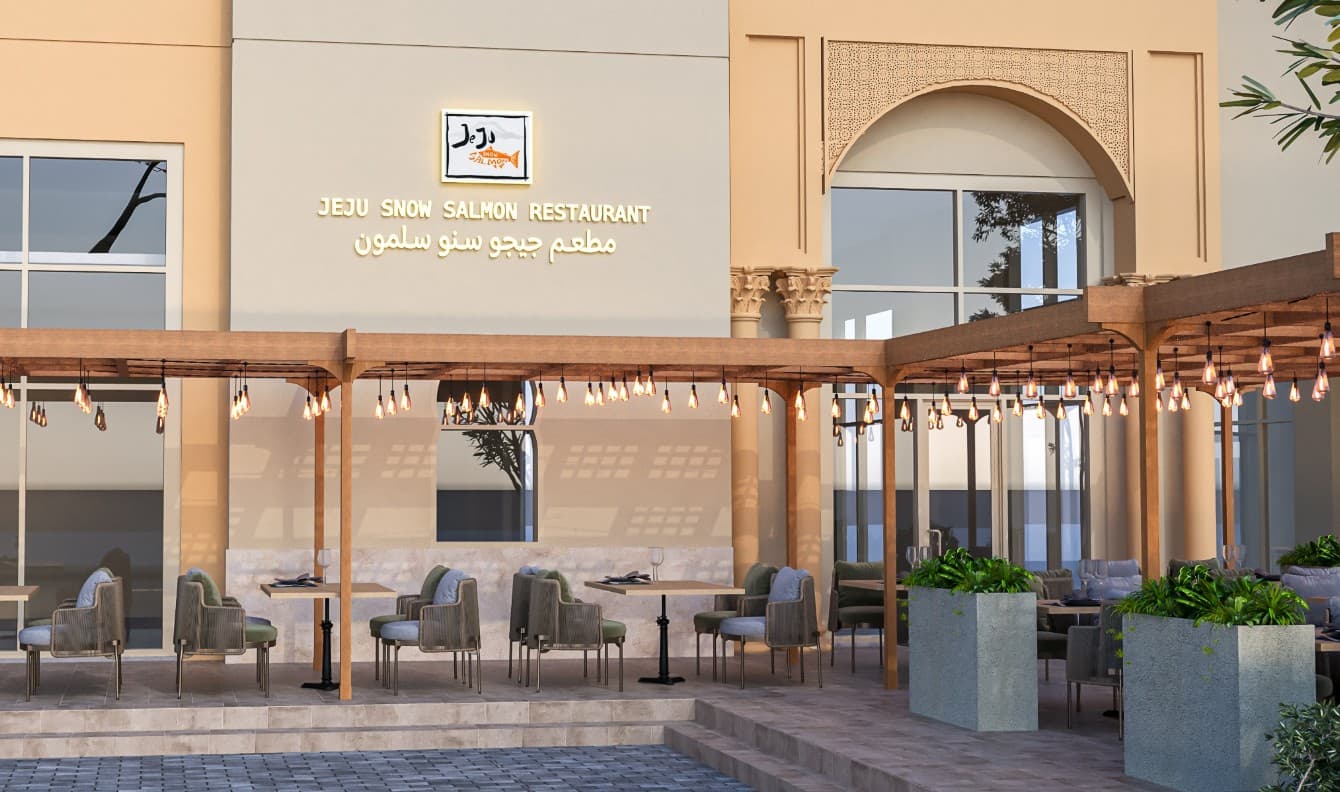
Before we opened Jeju Snow Salmon, I thought the hard part would be the menu, the design, and the launch week. Those were hard. They were not the journey.
The operator journey started the first time a calm morning turned into a messy afternoon — not because anyone was lazy, but because the restaurant's information did not travel as cleanly as the food did.
If you are an owner reading this, you already know that feeling: the day is 'open,' the team is trying, and somehow the next rush still inherits unfinished truth from the last one.
Three chapters I had to learn
First: opening is a project. Closing is a ritual. Mid-shift is where many restaurants silently fail — because nobody named the reset between rushes.
Second: accuracy is not a pep talk. Wrong orders and lost tickets are workflow problems. Speeches do not close handoffs; systems do.
Third: technology is not the protagonist. Guests and people are. Tools only matter when they reduce friction in a named operating problem — order capture, kitchen tickets, close checklists, handover cards.
What operating rewired in me
I came from banking. I trusted process. Operating a restaurant taught me which processes survive contact with a Friday rush — and which ones only look good on a whiteboard.
I stopped asking 'what feature should we add?' first. I started asking: where does information change hands informally? Where does ownership evaporate between shifts? Where does a guest feel a back-of-house debt they cannot name?
That rewiring is why WhateverAsk exists as a knowledge engine grounded in Restaurant Operations before it talks about AI. AI without an operator problem is just vocabulary.
The living-lab rule
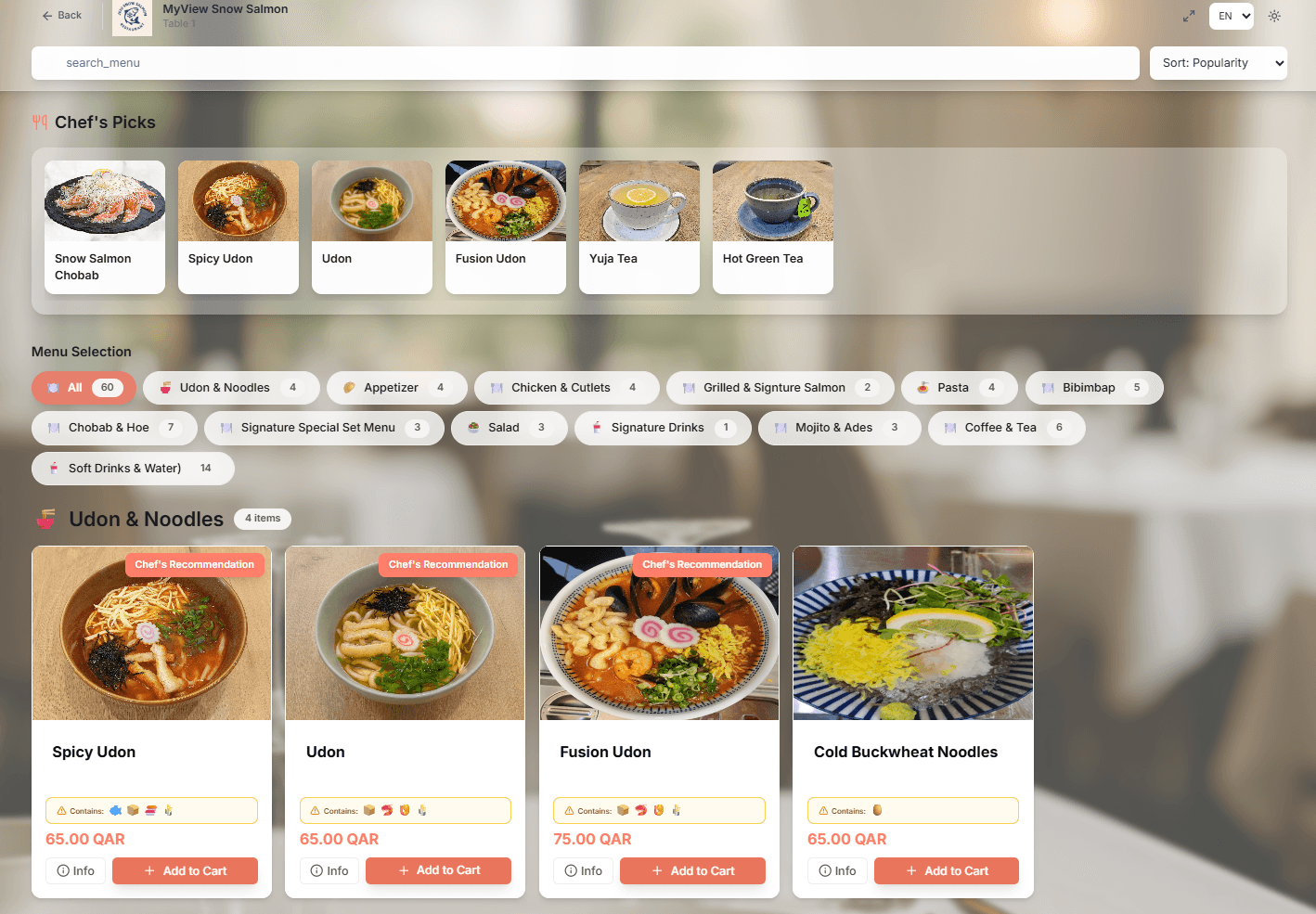
Jeju Snow Salmon is our living lab. NeuroPOS appears in our stories as a case tool when it was part of the real workflow — not as an advertisement wearing a journal costume.
I will not invent audited percentages to sound more scientific. When I say wrong-order incidents felt near-zero from the owner's seat, that is observation. When I describe mid-shift inheritance, that is pattern recognition from running the room.
If a lesson cannot survive without a fake number, it is not ready to publish.
What other owners can take
You do not need our stack. You need a named day system: open, mid-shift, close. You need fewer informal order handoffs. You need written handover when leads change.
Then — and only then — ask where AI or automation could reinforce the ritual you already run. That sequence is the operator journey. Tool-first shortcuts usually create expensive theater.
If you want the practical Authority layer next, start with the mid-shift checklist. If you want the AI-ops companion on accuracy, continue to the Related Resources.
Strategic Meaning & Value
The operator journey is how trust is built — with guests, with staff, and with readers who can tell the difference between lived operations and generated advice.
Operationally, it turns chaos into named rituals. For customers, it shows up as fewer surprises. Financially, it reduces remakes, overtime, and silent churn. Strategically, it is the foundation under every AI-for-restaurant article we publish: real problems first, tools second.
Methodology and Data Period
- Entry type
- Founder's Journal reflection (Restaurant Operator Journal · Workflow B · Pillar 5)
- Living lab
- Jeju Snow Salmon, The Pearl–Qatar — case source, not promo channel
- Basis
- Firsthand owner observation of opening, mid-shift, accuracy, and systems learning
- Evidence discipline
- No audited %; no invented incidents/quotes; NeuroPOS = case tool not advertisement
- Experience Library
- EXP-011 — Operator journey — systems over speeches
- AI role
- Internal drafting/structuring only — not the story protagonist
- Pipeline
- Not Knowledge Publishing / Golden Rule / knowledgeHubs
- Cycle
- WHA-642 Publishing Workflow v3.0 · Package C
Related Resources
- Daily Restaurant Operations
- Restaurant Mid-Shift Checklist
- How AI and Restaurant Automation Can Prevent Wrong Orders
- We Almost Never Sent a Wrong Order
- Restaurant Operator Journal
EXP-011: Operator journey — systems over speeches