
Founder's Journal
The Whole Table Decides: What Families Taught Me About Our Menu
A Doha restaurant founder on why families choose a restaurant as a group — and how that reframed our menu strategy from a product list into a decision system.
- Published
- 2026-07-30
- Last Updated
- 2026-07-31
- Reading Time
- 6 min read
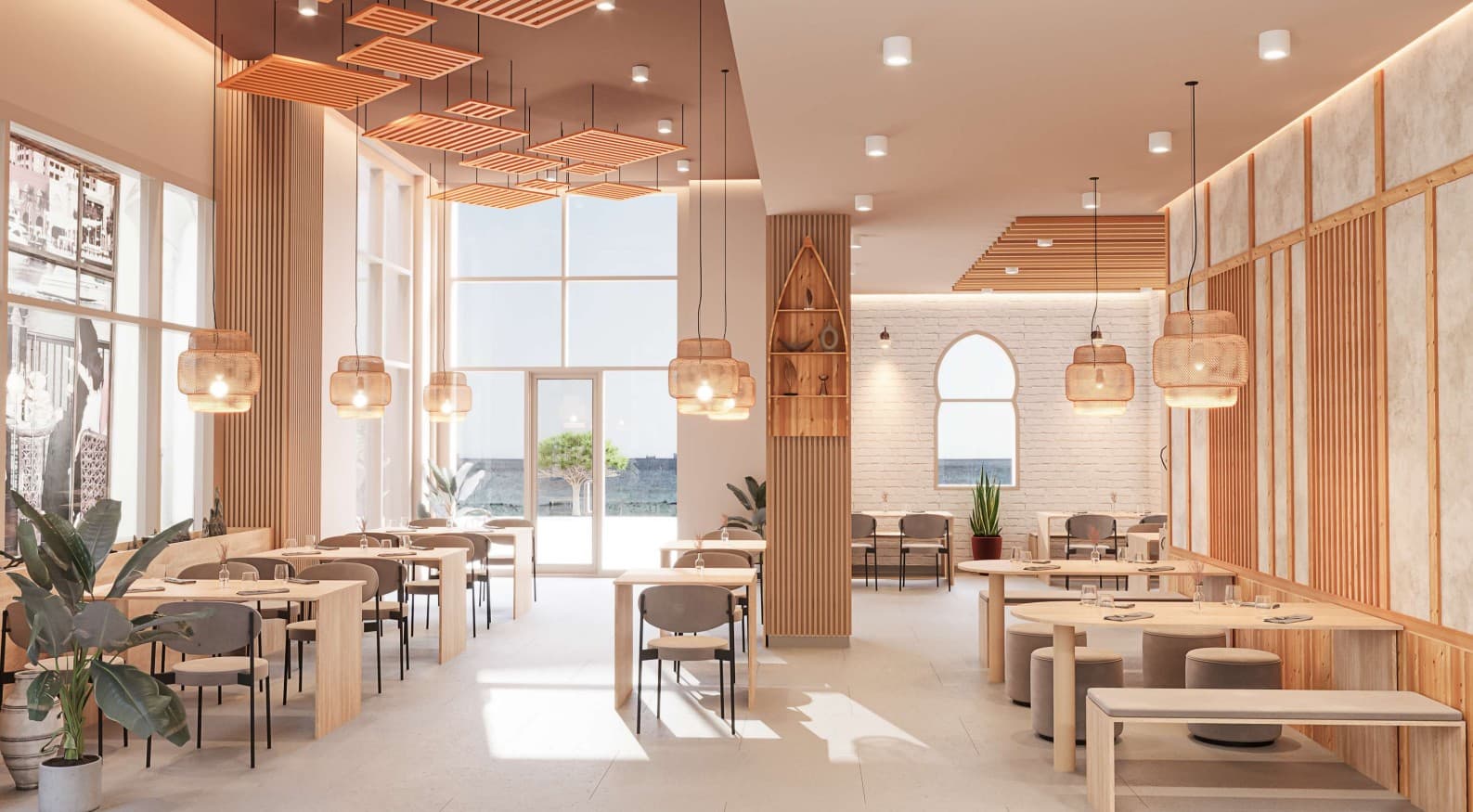
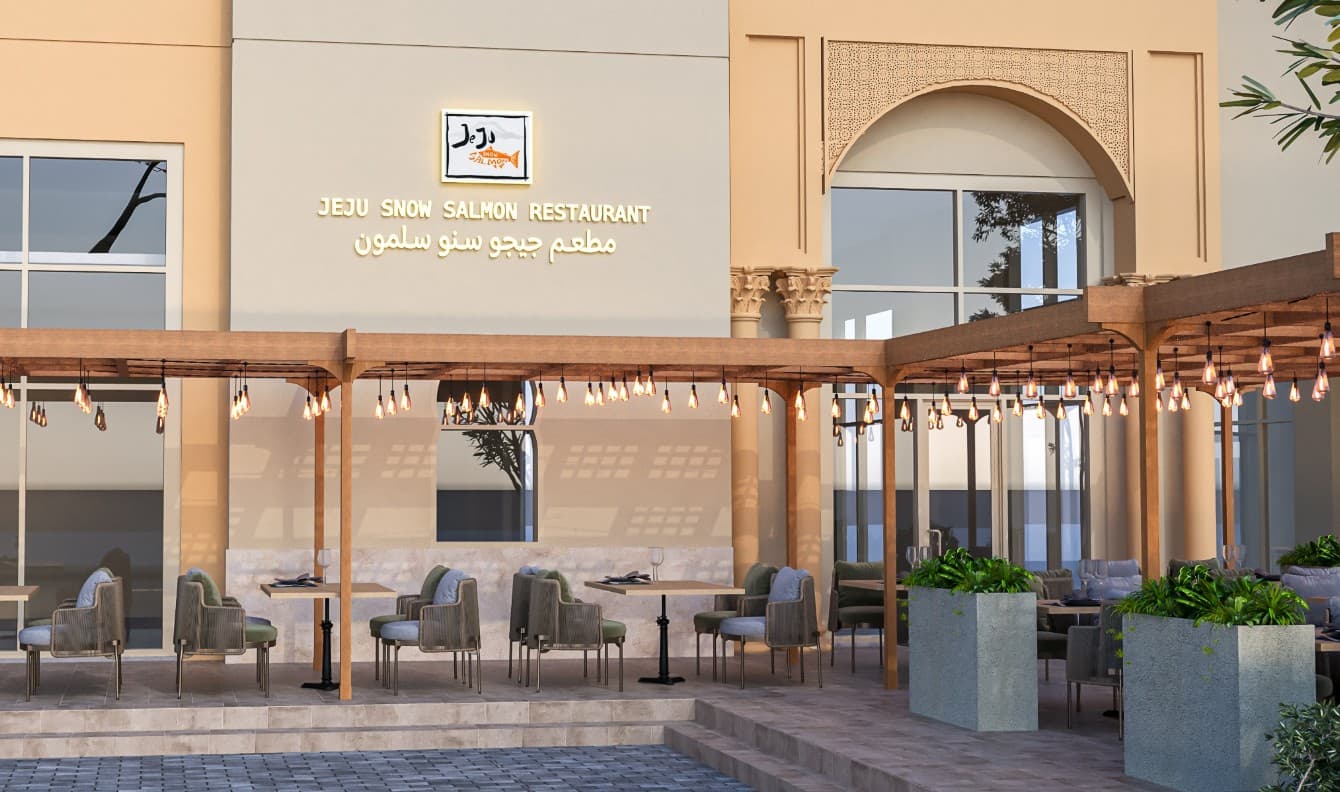
The guest I thought I was cooking for
When my wife and I opened Jeju Snow Salmon at The Pearl, I thought I knew exactly who I was cooking for.
She was someone who had eaten salmon somewhere that stayed with her — maybe in Seoul, maybe on a trip to Jeju — and wanted that feeling again in Doha. Fresh fish. Clean and cold and precise. A Korean table that didn't apologise for being itself. Most of my planning went into satisfying that one guest, because I believed that if I could win her over, the restaurant would work.
I spent about twenty-five years in banking before this. I am used to writing down a thesis and then testing it against what actually happens. My thesis was simple: the signature is the business. Get the salmon right, and everything else is detail.
The dining room disagreed with me. Politely, and more than once.
Why the signature belief made sense
I still don't think the belief was foolish. A restaurant without a clear identity is easy to forget, and Doha does not lack for choices. We built Jeju Snow Salmon to stand for something specific: Korean, Jeju-inspired, fresh-salmon-led, and honestly more than sushi. That clarity is an asset. It is the reason a certain guest drives past three other places to reach us.
So I protected the signature the way a banker protects a core position. I worried about the fish, the sourcing, the plating, the story on the menu. I assumed the people who loved that story would bring everyone else along.
What I had not understood was who “everyone else” actually was, and how much power they quietly held.
What the tables were really doing
The correction did not arrive as a complaint. It arrived as a pattern I kept noticing at family tables.
One person at the table wanted the salmon. That guest was easy; that guest was the reason I'd built the place. But next to them was someone who didn't want raw fish that evening and was looking for something cooked. Across the table, a child was scanning for something familiar — katsu, udon, a bowl of noodles they already trusted. And now and then there was a first-time guest, curious but a little hesitant, not sure whether a Korean salmon restaurant was “for them.”
I began to see that the table did not choose us because one person loved the salmon. The table chose us when everyone could find something they were comfortable with. When one person couldn't, the whole group drifted somewhere else — and they rarely told us why. There is no feedback form for the family that quietly decides not to come in.
That silence was the part that unsettled me. I had been optimising for the guest who was already sold, and I had almost no visibility into the guest who was one small hesitation away from taking three other people with them out the door.
The evening I stopped watching one guest
At some point I stopped watching my favourite guest and started watching the negotiation.
It is a real thing that happens at a table before anyone orders. Someone suggests a place. Someone else hesitates. A parent quietly checks whether the kids will actually eat. A decision gets made in under a minute, and it is almost never made by the person most excited about the signature dish. It is made by the group, and the group moves at the speed of its least certain member.
To make sense of what I was seeing, I did lean on a simple tool — I use one to group the observations and comments we collect so the patterns are easier to read. But the tool only tidied up what the dining room was already telling me. The lesson came from families. The decision to change anything was mine.
This is not a licence to serve everything
I want to be careful here, because this lesson is easy to take too far.
The answer is not to become a restaurant that serves everything and stands for nothing. A menu that tries to please every possible guest ends up with no reason to exist, and it quietly buries the very signature that made you distinctive in the first place.
So I hold two ideas at the same time. Protect the core — the salmon, the Jeju character, the reason we are not interchangeable with the place next door. And separately, deliberately, remove the small number of objections that make a whole group say no. Those are different jobs. The first is about identity. The second is about access. Confusing them is how a distinctive restaurant slowly turns generic.
“Family-friendly,” I've come to think, is not a marketing phrase you add to a poster. It is an operating decision about how many reasons a table has to choose someone else instead of you.
Methodology and Data Period
- Entry type
- Founder's Journal reflection (Restaurant Operator Journal · Workflow B)
- Living lab
- Jeju Snow Salmon, The Pearl–Qatar — case source, not promo channel
- Basis
- Firsthand family-table observations by the founder
- Evidence discipline
- No customer quotations, counts, percentages, or financials invented; the behavioural pattern is framed as observation
- AI role
- Internal drafting/structuring only — not the story protagonist
- Pipeline
- Not Knowledge Publishing / Golden Rule / knowledgeHubs